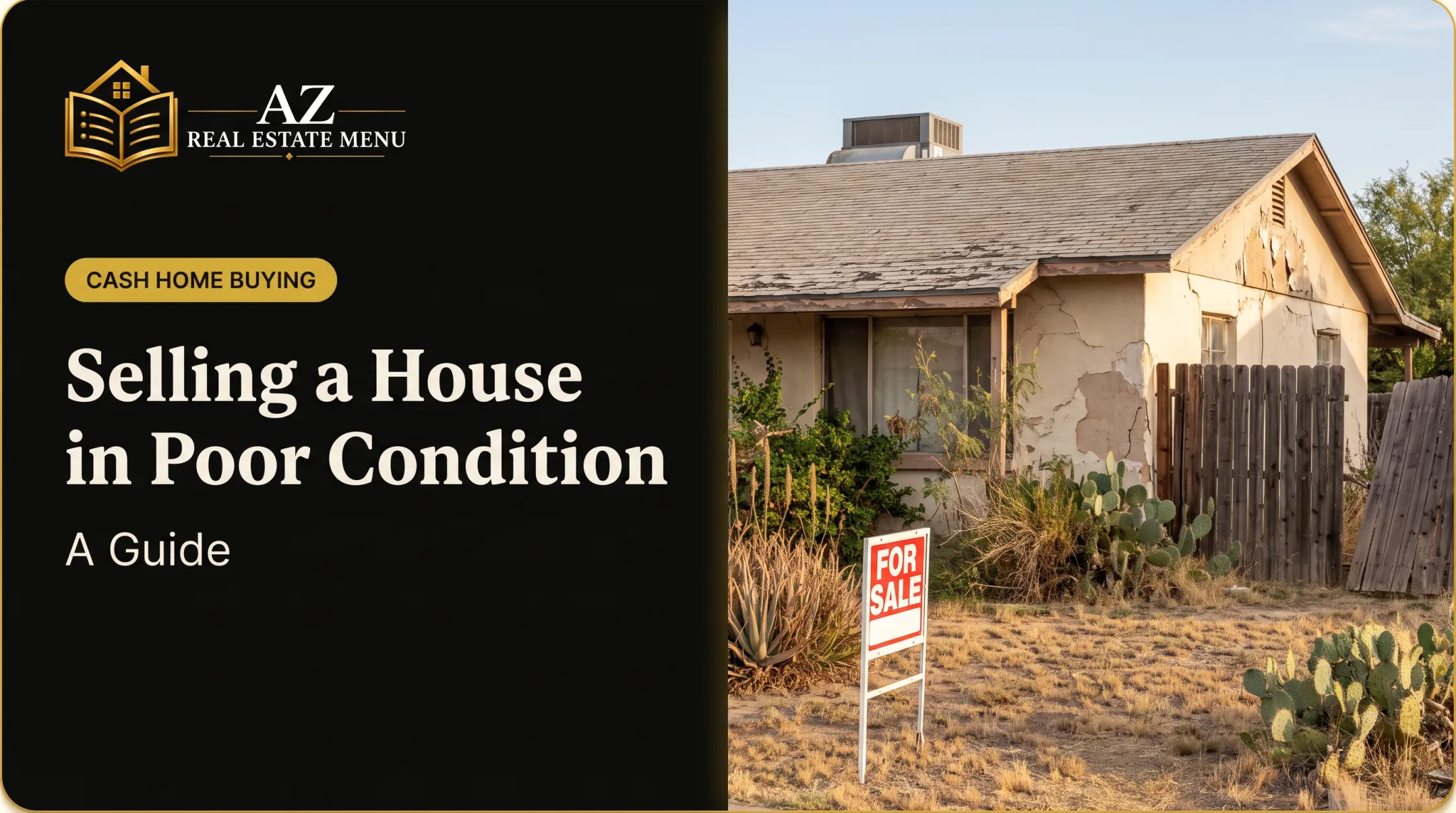

Most sellers worry about the same things: Do I have to fix this before listing? How much value will I lose? Will buyers even qualify for a mortgage? What am I legally required to disclose?
Here's the short version: verify the actual condition first, then compare repairing before listing against selling as-is. Understand who's likely to buy a home with known foundation issues, and run the numbers on net proceeds before you commit to either path.
Key Takeaways
- Cracks, sloping floors, and sticking doors are warning signs—only a structural pro can confirm severity.
- Keep every inspection report, estimate, invoice, permit, warranty, and repair photo for disclosure and negotiation.
- Compare net proceeds, not sale price, after repair costs, carrying costs, and concessions.
- Unresolved structural issues shrink your buyer pool; documented repairs or honest as-is pricing widen it.
How to Assess Foundation Problems Before Listing
Before you decide anything, figure out what you're actually dealing with. Some signs are cosmetic. Others point to real structural movement.
Exterior Warning Signs
Walk the perimeter of your home and look for:
- Stair-step or horizontal cracks in brick, block, or stucco
- Gaps around window trim, doors, or additions
- Leaning porch, patio slab, or chimney
- Water pooling near the foundation after rain or irrigation
- Visible settlement, where one section of the house sits lower than the rest
Interior Indicators
Inside, pay attention to:
- Uneven or sloping floors
- Doors and windows that stick or won't latch properly
- Cracks in drywall or tile, especially near corners
- Gaps opening up between walls and ceilings
- Bowing basement or crawlspace walls
- Recurring water intrusion after storms
None of these symptoms confirm a major structural failure on their own. The American Society of Home Inspectors' structural standard covers foundations, floors, and walls. It does not require inspectors to render an engineering opinion on structural adequacy; that's a separate scope of work.
Document everything before you call anyone. Note the location, direction, and progression of each crack, plus nearby conditions like drainage, plumbing lines, or large trees. This record matters later, both for a contractor's diagnosis and for your disclosure paperwork.
Get a Professional Evaluation First
Skip the temptation to call a foundation-repair company first. Start with an independent structural engineer, especially if you're seeing bowing, active settlement, or water-related damage. A good evaluation investigates the cause, not just the crack itself. That means checking drainage problems, soil movement, plumbing leaks, erosion, tree roots pulling moisture from the soil, or a construction defect.
Once you know the cause, gather written repair scopes and multiple contractor estimates. Check current local permitting, licensing, and warranty requirements before any work starts. Skipping permits now can create a disclosure headache when you sell.

Should You Repair First or Sell As-Is?
This is the real decision point. There's no universal right answer: it depends on cost, timeline, buyer demand in your area, and how much uncertainty you can handle.
When Repairing First Makes Sense
Fixing the foundation before listing can:
- Widen your buyer pool by removing the issue that scares off financed buyers
- Improve appraiser and lender confidence, since documented repairs are easier to underwrite than open questions
- Reduce inspection-driven renegotiations during escrow
- Provide a transferable warranty, which some repair companies offer and buyers value
The Risks of Repairing First
Repair-first isn't automatically the better move. Consider:
- Upfront cost you may not recover in added sale price
- Project delays that push back your listing date
- Hidden conditions discovered once work begins (a common surprise with foundation repair)
- Permit requirements that add time and paperwork
- The real possibility that added proceeds won't cover total project and holding costs
The As-Is Path
Selling as-is means disclosing the condition honestly and pricing the home to reflect credible repair information. You still target buyers who can evaluate or finance the work themselves—often cash buyers or investors comfortable with foundation projects. As-is doesn't erase your disclosure obligations. It just means you're not the one making the repair.
Zillow notes there's no fixed amount homeowners lose selling as-is; the actual gap depends on market conditions, local pricing trends, and the home's overall condition. Foundation problems specifically can be a deal-breaker for some buyers, which is why transparency about known issues matters from the start.
Run a side-by-side net-proceeds comparison before choosing. Estimate a repaired-sale price and an as-is sale price, then subtract repair and financing costs, carrying costs, likely concessions, and selling expenses from each. Whichever number is higher (after you factor in your time) points to your path.

Don't hide the problem. Skip painting over cracks, caulking gaps, or other temporary cover-ups. Don't attempt structural repairs without qualified advice, proper permits, and documentation. Cosmetic fixes almost always surface during a buyer's inspection and damage trust at the worst possible time.
How Foundation Issues Affect Price, Financing, and Buyers
Unresolved foundation concerns hit buyer confidence hard. Buyers price in uncertain repair costs, worry about future movement, and factor in the extra inspections they'll need to complete before closing.
Who Actually Buys These Homes
Your buyer pool narrows, but it doesn't disappear. Expect interest from:
- Owner-occupants willing to take on a project, usually at a discount
- Cash buyers who can skip lender-driven property conditions
- Investors and house flippers who build repair costs into their offer
- Buyers using renovation financing, which can fund both purchase and repair in one loan
Each group evaluates risk differently, and each will negotiate price accordingly.
Financing and Appraisal Realities
Loan programs treat structural conditions seriously, though specifics vary:
| Loan Type | Property-Condition Standard |
|---|---|
| FHA | Safe, sound, and secure; continuing settlement is a defective condition |
| VA | Structurally sound and sanitary; soundness issues block approval until fixed |
| USDA | Repairs limited to marketability, occupant safety, and structural integrity |
| Conventional (Fannie Mae) | Appraiser flags deficiencies affecting safety or structural integrity |
Have your buyer confirm eligibility directly with their lender rather than assuming a loan type will or won't work.
Fannie Mae's guide is explicit: evidence of abnormal settlement requires the appraiser to comment on value and marketability. An as-is appraisal is only allowed when the condition is minor and doesn't affect structural integrity.
Appraisers weigh comparable sales, the severity and cause of the defect, completed engineering work, repair documentation, and any warranty transferred with the repair.
When you evaluate an offer, treat four figures as separate numbers: asking price, accepted offer, appraised value, and net proceeds. Mixing them up leads to bad decisions. Get a comparative market analysis based on truly comparable homes and your property's verified condition, not just listed square footage.

How to Disclose, Market, and Negotiate the Sale
Disclosure rules vary by state, but the general principle holds nationwide: known material defects need to be disclosed. Review your state's specific disclosure form with a real estate professional or attorney rather than guessing.
Your Documentation Checklist
Before you list, assemble:
- Structural engineer reports
- Home inspection reports
- Repair estimates and paid invoices
- Permits and contractor licensing information
- Warranties (and whether they're transferable)
- Drainage or plumbing repair records
- Before-and-after photos
- Evidence that the root cause, not just the symptom, was addressed
Marketing a Home With Foundation Issues
Lead with your documentation so serious buyers can evaluate the foundation early. Price for any remaining work, and highlight completed repairs, transferable warranties, and drainage fixes in the listing.
Selling as-is? Focus on cash buyers and investors who already budget for foundation projects.
Negotiating After the Buyer's Inspection
Once a buyer's inspector flags the foundation, you typically have a few options:
- Complete the specific repairs the buyer requests
- Offer a repair credit, if the buyer's lender permits it
- Reduce the price to reflect the condition
- Share your existing reports and estimates to speed the buyer's decision
- Let the buyer terminate and remarket the home, per your contract terms
Which options are actually available often comes down to the buyer's lender, so don't assume every path is on the table.
If you're weighing a traditional listing, an as-is sale, or a cash offer, AZ Real Estate Menu gives Arizona homeowners a free comparative market analysis and a no-obligation Homes 2X cash-offer review.
Compare both paths side by side before you commit.
Frequently Asked Questions
Can you live in a house while foundation repair is done?
It depends on the repair method, the affected areas, and factors like dust, noise, and utility access. Follow safety guidance from your structural engineer and contractor. Some repairs allow you to stay; others don't.
Do sellers have to disclose foundation issues?
In most states, known material defects, including foundation problems, must be disclosed in writing. Requirements vary by jurisdiction, so review your state's disclosure form with a licensed real estate professional or attorney.
Is it okay to buy a house with foundation problems?
Yes, if you get an independent structural evaluation, realistic repair estimates, and lender pre-approval for that specific property. Factor in insurance implications and make sure the price reflects the actual risk you're taking on.
Do foundation repairs devalue a home?
Unresolved defects typically hurt value and buyer confidence. Properly completed, well-documented repairs can restore that confidence, though the actual effect on price depends on repair quality, remaining risk, and comparable sales in your market.